 Surgery
Understanding Laparoscopic Surgery: Benefits and Recovery
Learn about minimally invasive surgery techniques and why they are becoming the preferred choice for many procedures...
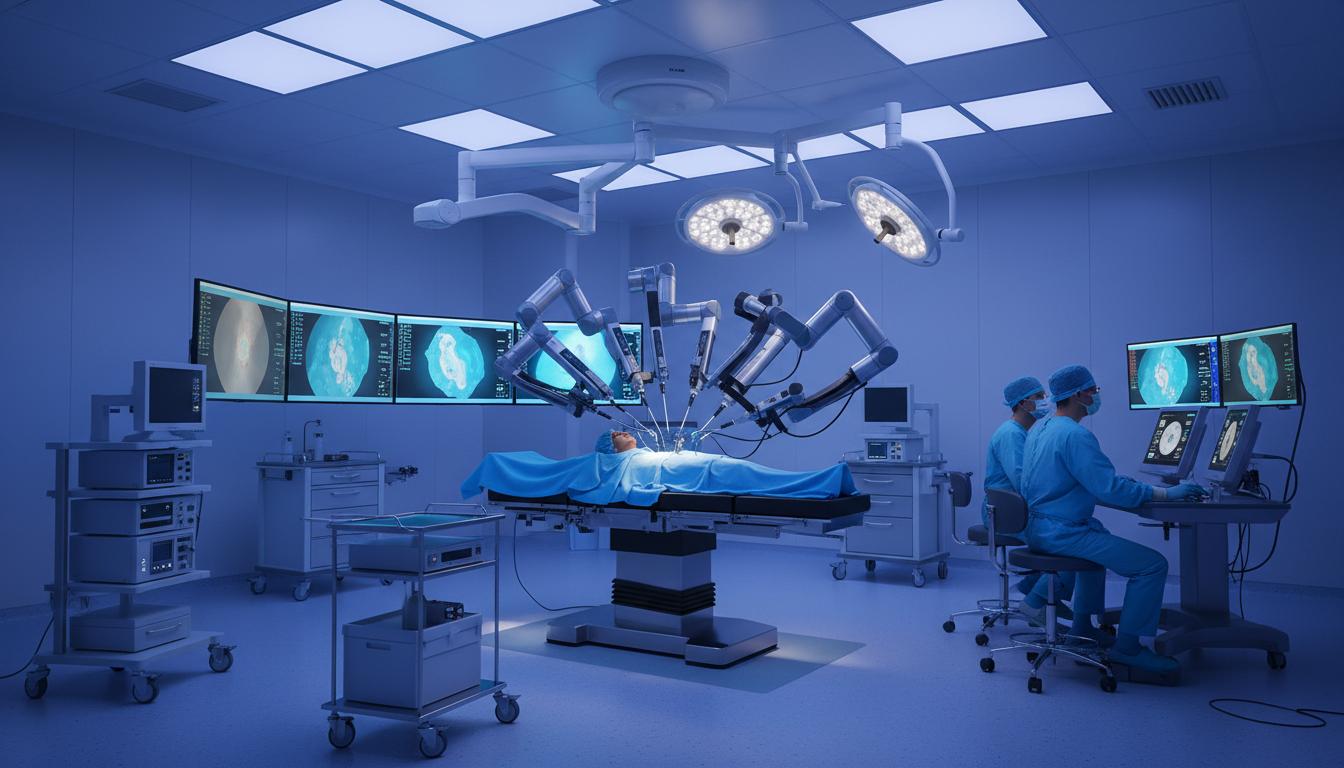
Read MoreModern laparoscopic & laser treatments for faster healing. Experience world-class healthcare with our team of expert surgeons with 30+ years of combined experience.

Years Experience
Happy Patients

Years of
Medical Excellence
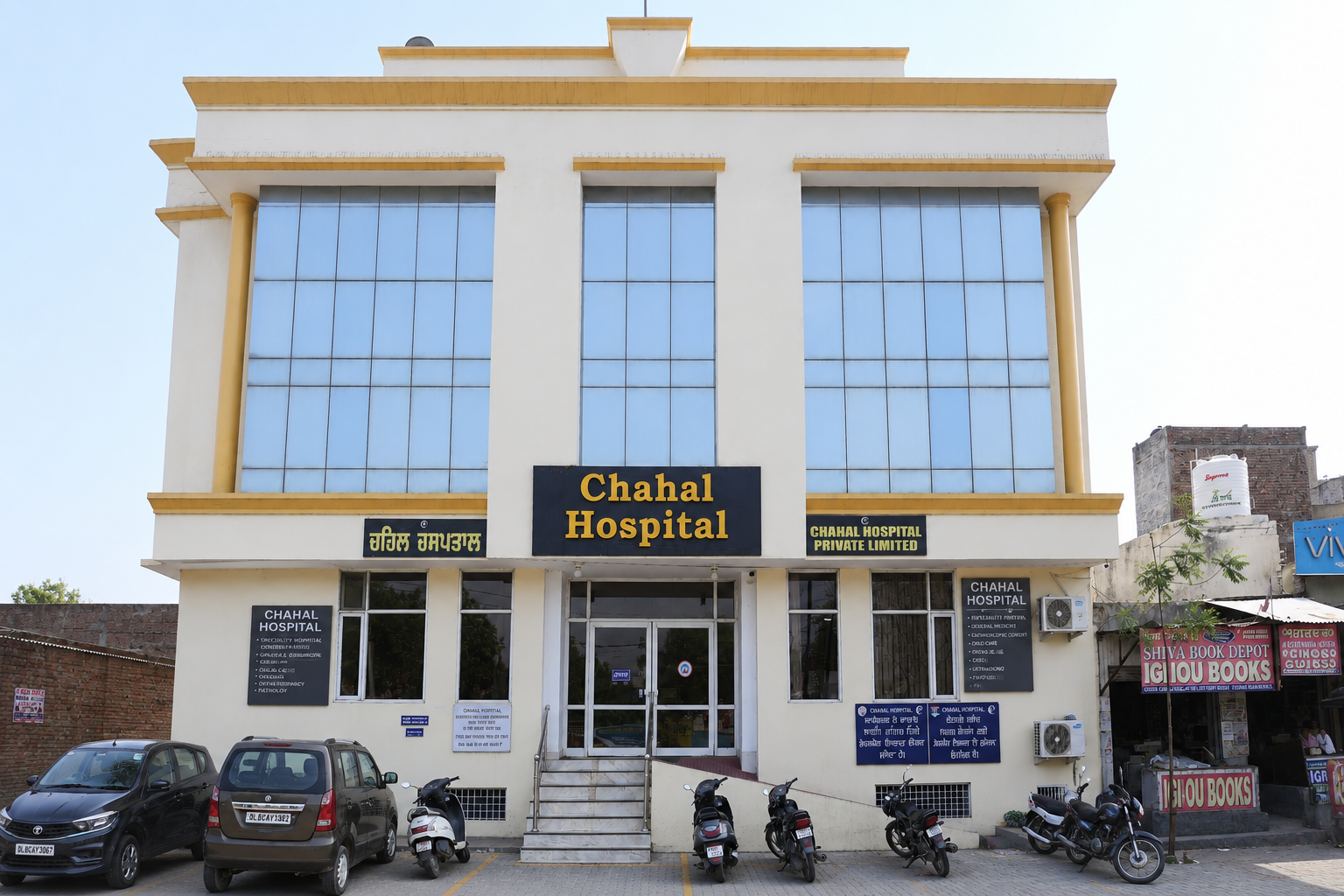
Trusted multi-specialty hospital in Bathinda with 30+ years experience. Combining cutting-edge laser technology with compassionate, patient-first care.
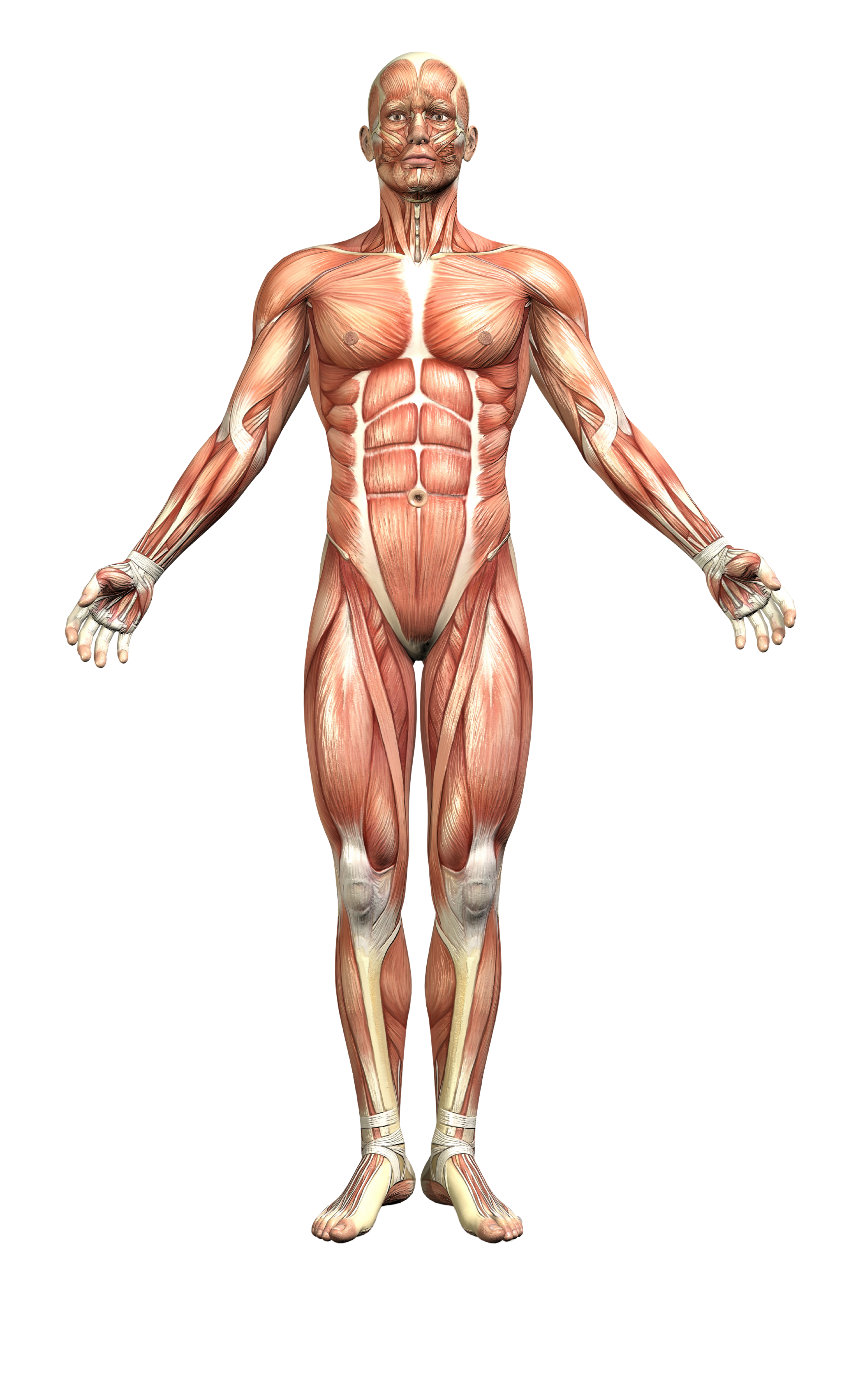
From advanced laparoscopic surgery to complete diagnostics — expert care across every specialty, under one roof.
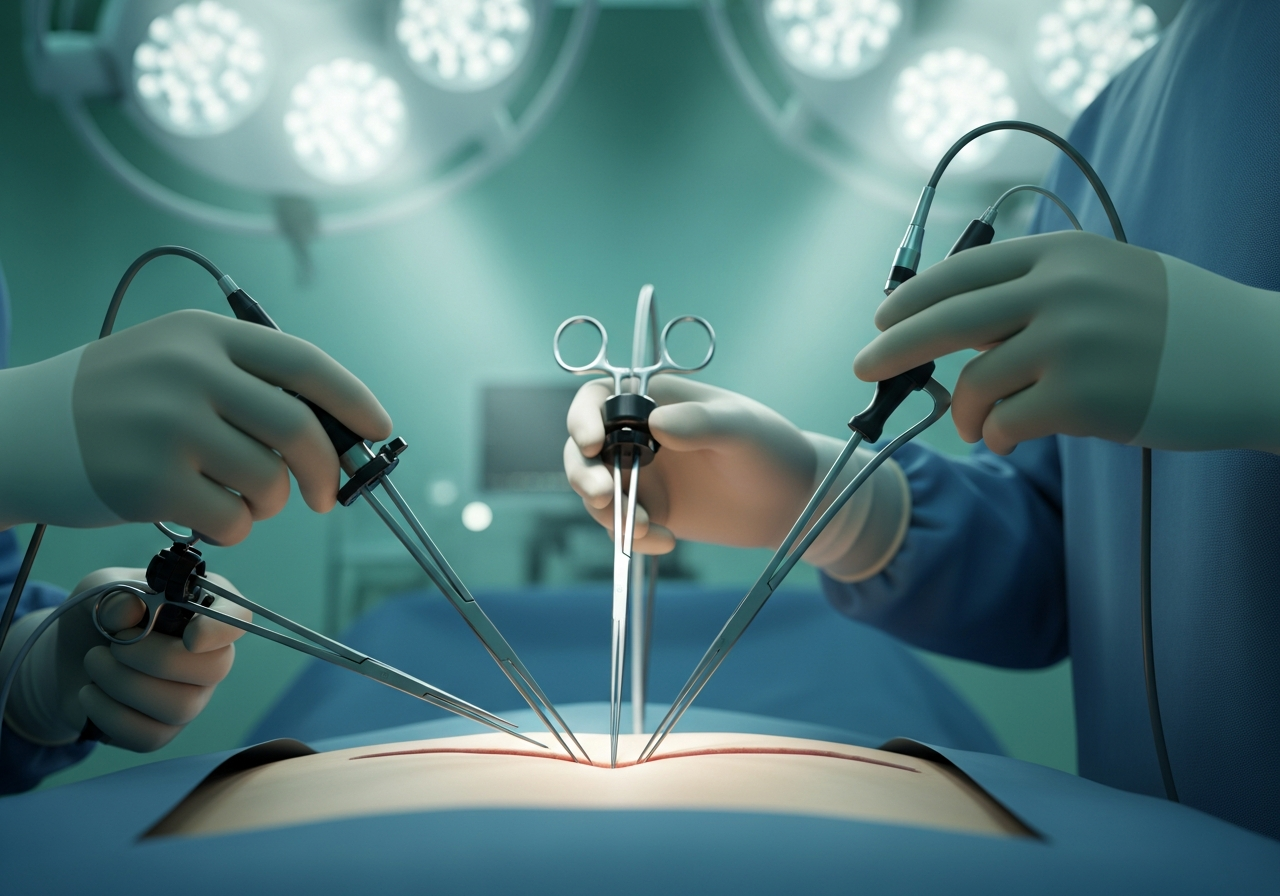 Surgery
Minimally invasive procedures — gall bladder, hernia, appendicitis — with smaller incisions and faster recovery times.
Explore Service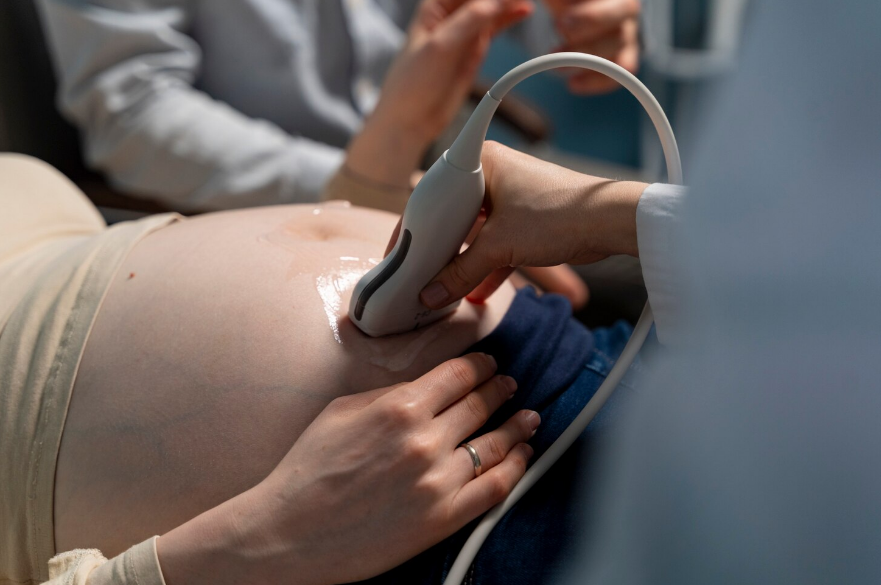 Women's Health
Complete women's healthcare — TLH, NDVH, pregnancy care, and advanced gynecological surgeries.
Explore Service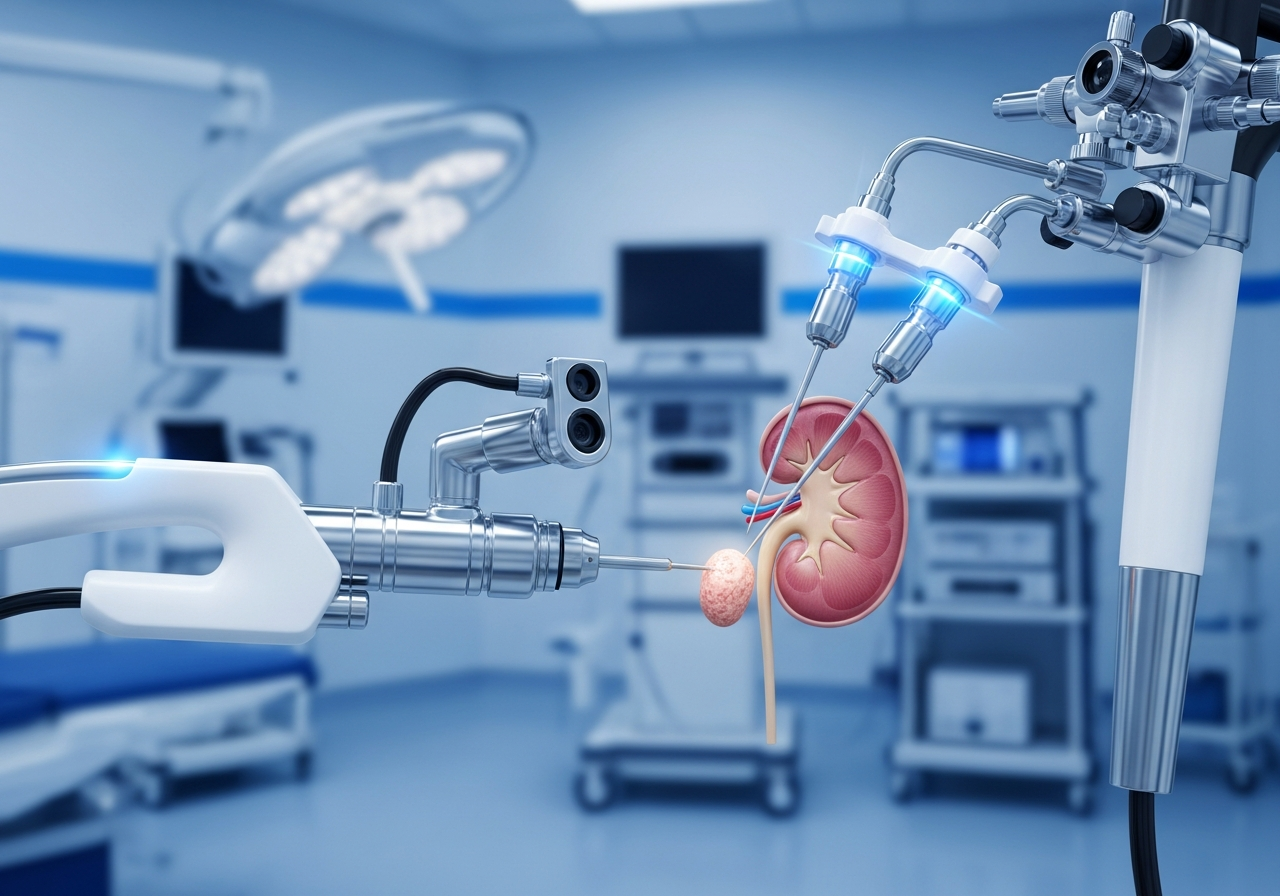 Urology
Advanced kidney stone treatment (PCNL, URSL, RIRS), prostate surgery, and full urological care.
Explore Service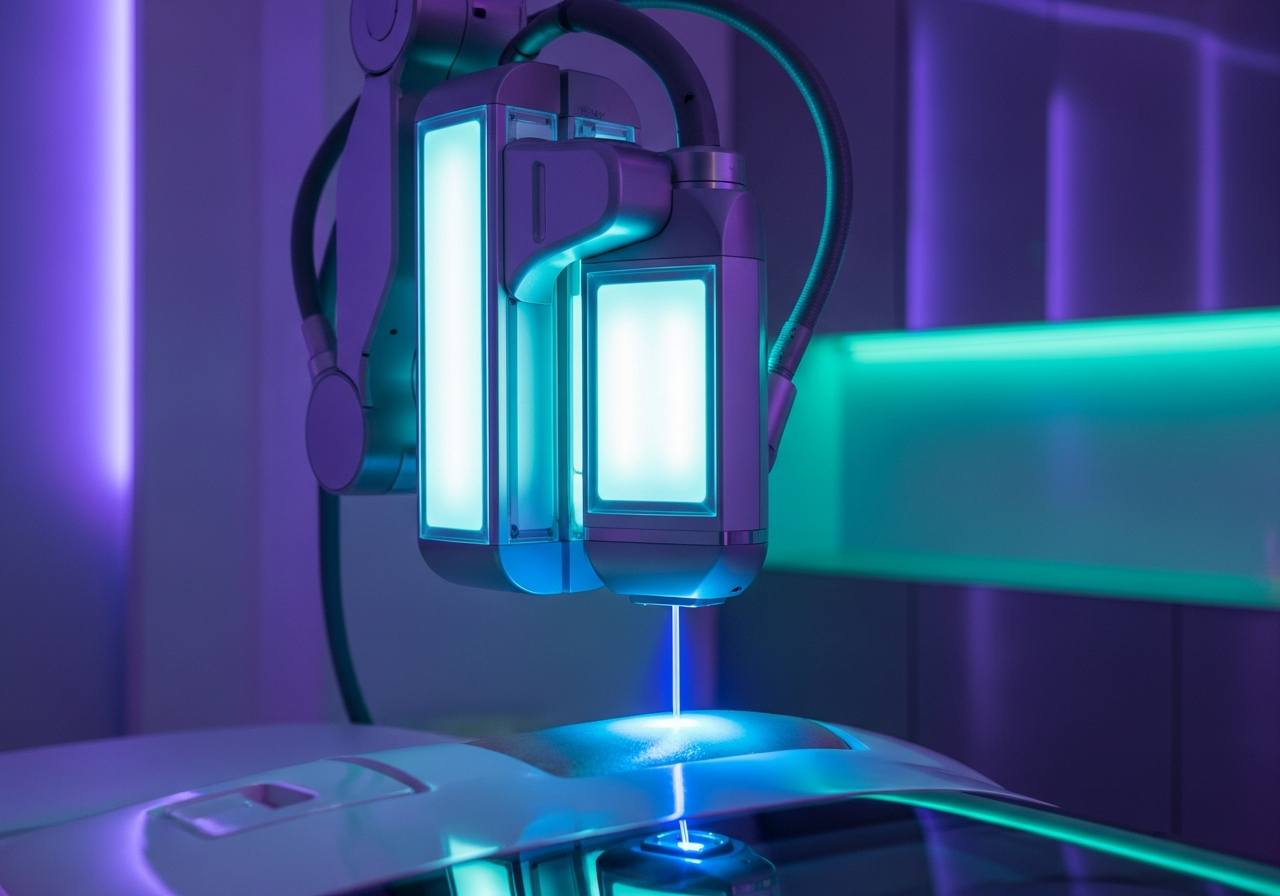 Laser
Laser
Modern laser technology for piles, fissures, fistula, and varicose veins with minimal pain and quick recovery.
Explore ServiceOur specialists are available for same-day consultations.
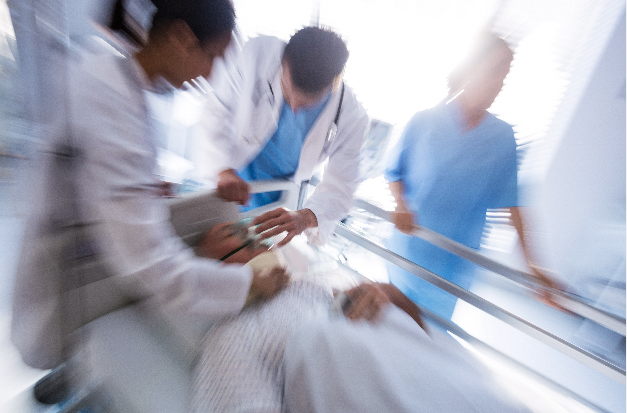 24/7 Emergency
Round-the-clock emergency services with a fully equipped trauma center and rapid-response specialist team always on standby.
Explore Service Diagnostics
Complete diagnostic facilities — ultrasound, X-ray, laboratory tests, and comprehensive health checkups.
Explore ServiceWe blend decades of surgical expertise with genuine compassion — so every patient feels heard, cared for, and confident in their treatment.
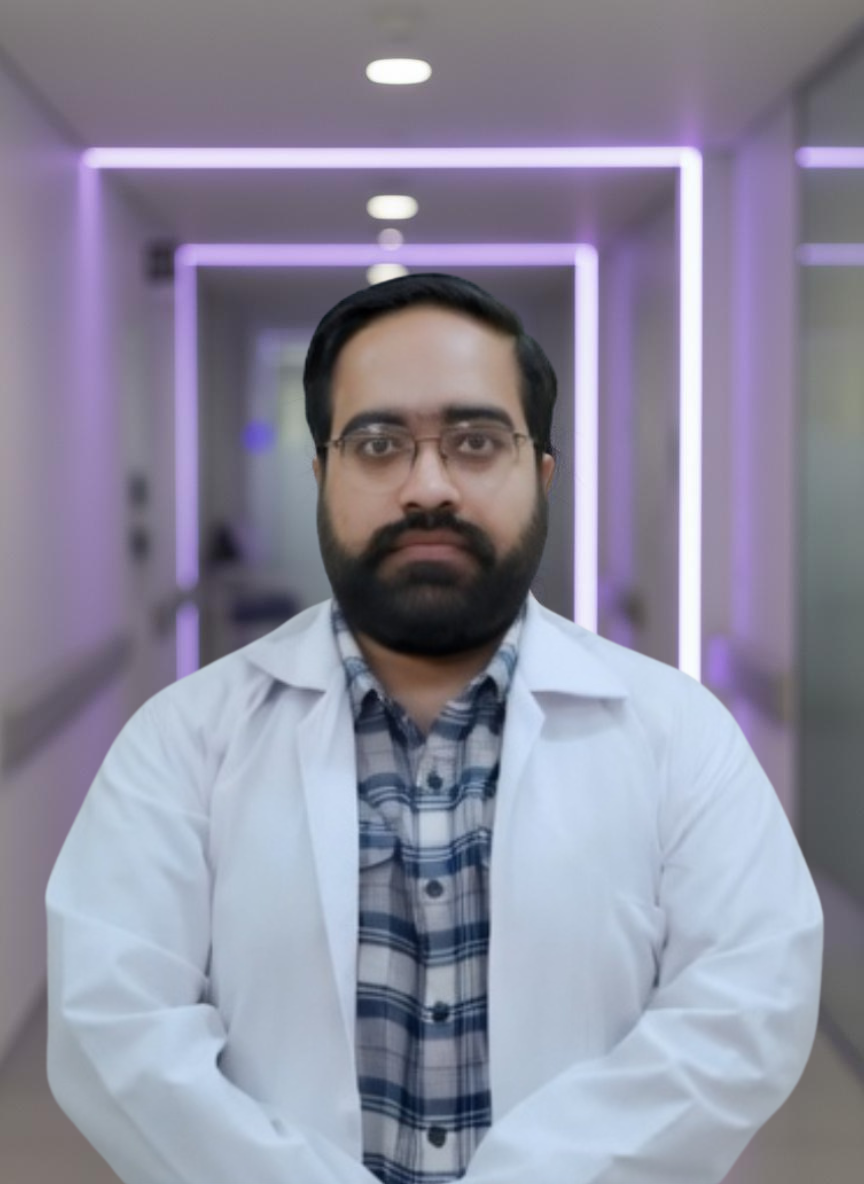
Highly qualified surgeons with 30+ years of combined experience in advanced laparoscopic procedures.
Personalised treatment plans built around your specific condition, lifestyle, and recovery goals.
Advanced laparoscopic techniques mean smaller incisions, less pain, and a dramatically faster recovery.
Round-the-clock emergency services, on-call specialists, and dedicated post-op support for every patient.
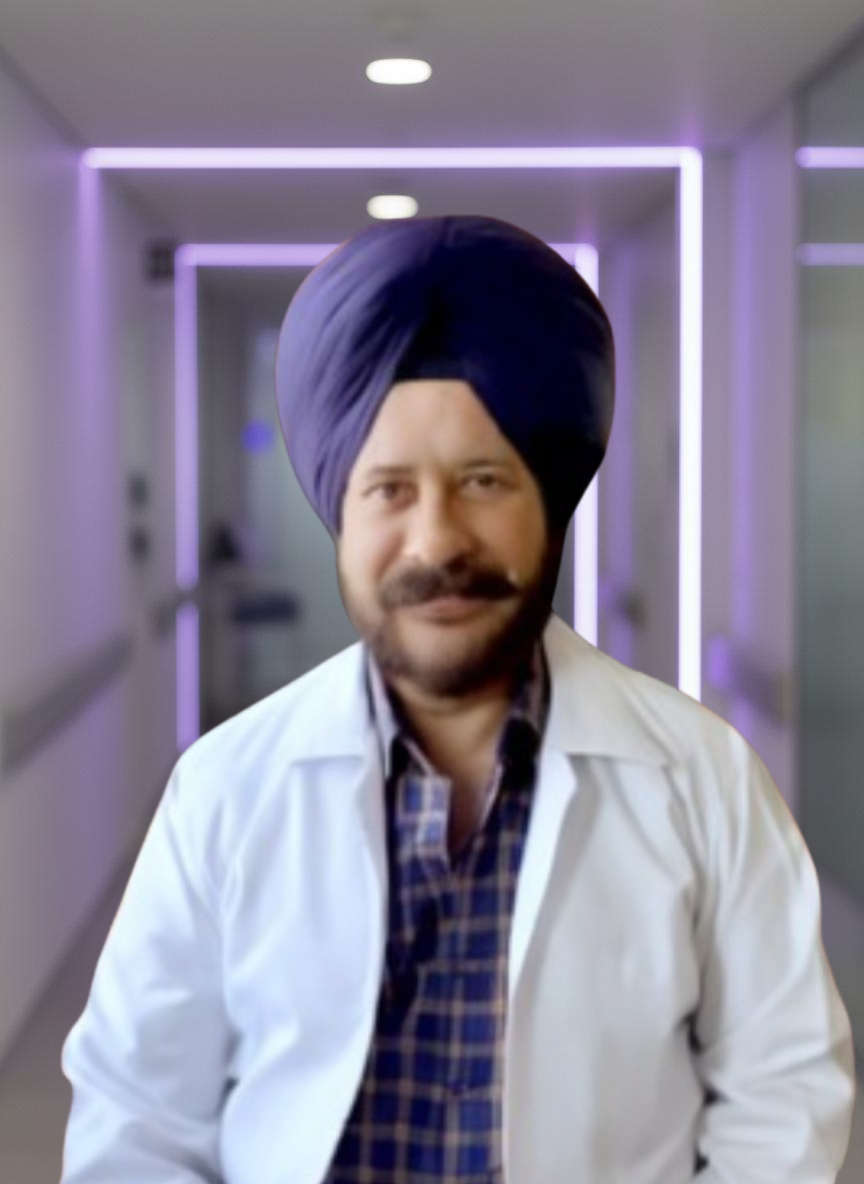
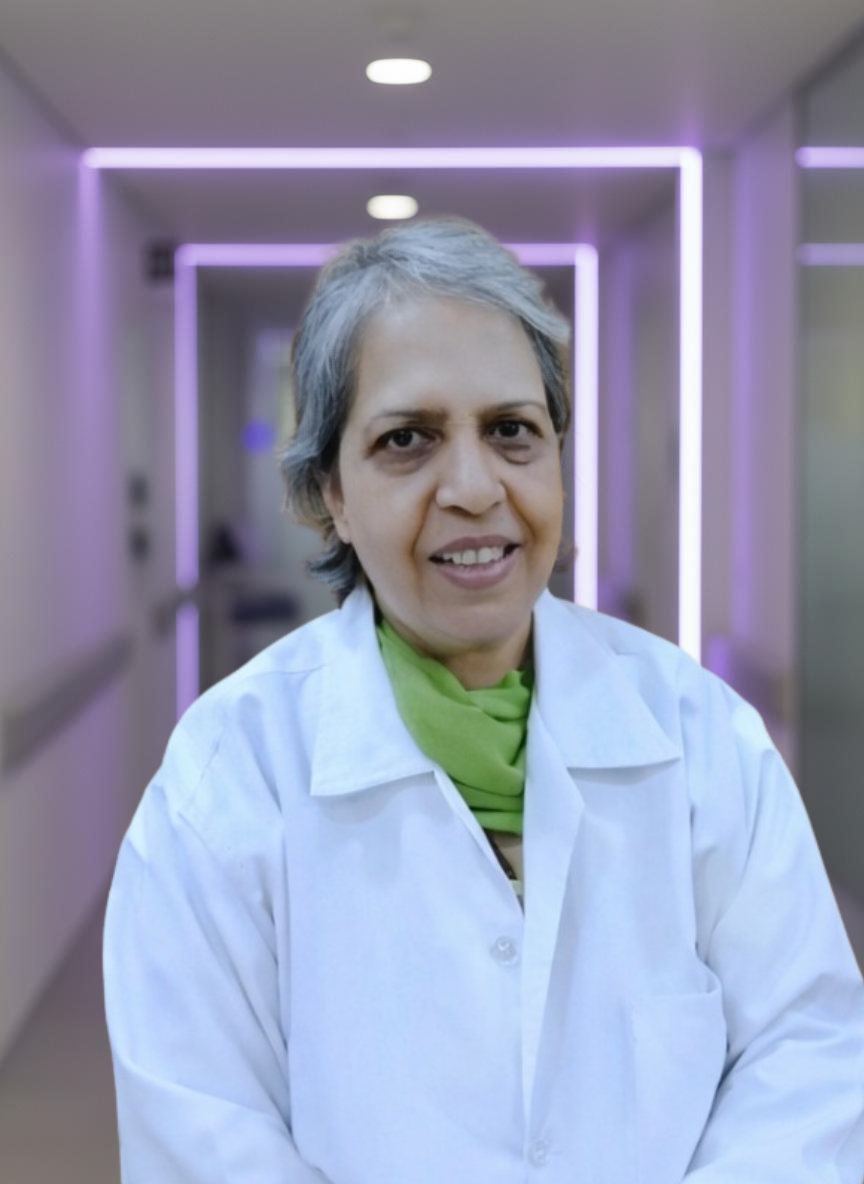
Experienced specialists dedicated to providing exceptional healthcare
General & Laparoscopic Surgeon
MBBS, MS (General & Laparoscopic Surgery)
30+ Years Experience
Gynecologist & Obstetrician
MBBS, MD, DGO
30+ Years Experience
Consultant Urologist
MBBS, MS, M.Ch (Urology)
Specialist Surgeon
Real stories from real patients who trusted us with their healthcare
"I underwent laparoscopic gall bladder surgery at Chahal Hospital. The entire experience was excellent. Dr. J.S. Chahal and his team were very professional. I recovered quickly and was back to work within a week."

"Dr. Suneet Chahal provided exceptional care during my pregnancy and delivery. Her expertise and compassionate approach made the entire journey smooth and comfortable. Highly recommend for all women healthcare needs."

"Got my kidney stone treatment done through laser surgery. The procedure was painless and the recovery was very fast. Dr. Ajay Shahbaaz Singh Chahal explained everything clearly. Thank you Chahal Hospital for the excellent care."
Our rapid response medical team is always ready. One call and help is on its way — any time, day or night.
Everything you need to know before your visit
Laparoscopic surgery is a minimally invasive technique using small incisions and a camera. Compared to open surgery, it offers smaller scars, significantly less pain, reduced blood loss, a hospital stay of just 1–2 days, and a return to work within 1–2 weeks.
Call us at +91 62390 09794, use the online appointment form on our website, or walk in directly. We recommend booking in advance to secure your preferred time slot and doctor.
Yes — we accept most major private health insurance plans as well as Ayushman Bharat (PMJAY) and other government schemes. Bring your insurance card and our billing team will guide you through the entire claim process.
Please bring: a valid government ID, all previous medical records and test reports, a list of current medications, your insurance card (if applicable), and any referral letters from other doctors.
Most patients return to light daily activity within 5–7 days and full activity within 2–4 weeks depending on the procedure. This is significantly faster than traditional open surgery, which typically requires 4–8 weeks of recovery.
Laser procedures like laser haemorrhoidectomy or EVLT are performed under anaesthesia so there is no pain during the procedure. Post-operatively, most patients experience mild discomfort managed with oral medication — no injections needed for pain relief.
Stay informed with expert medical advice and health tips
Surgery
Learn about minimally invasive surgery techniques and why they are becoming the preferred choice for many procedures...
Read More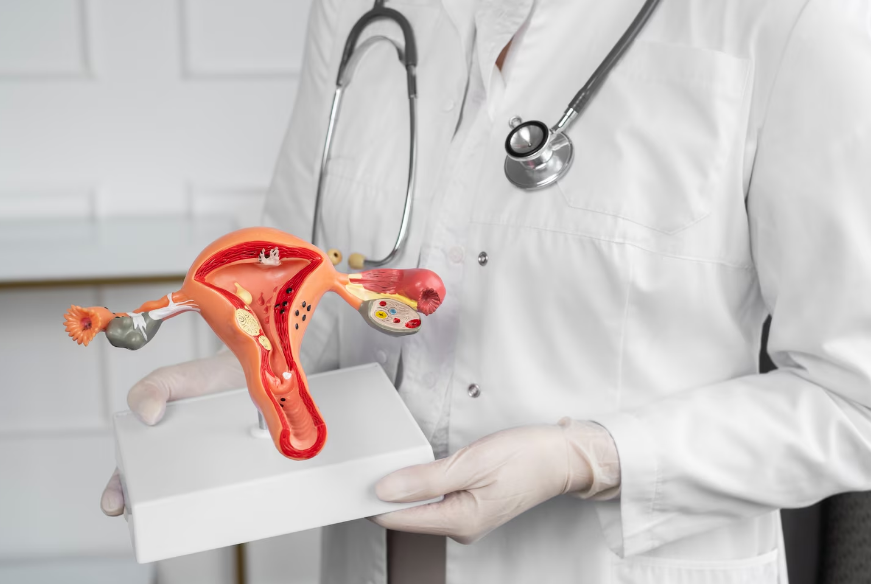 Gynecology
Discover important health tips and preventive measures every woman should know for maintaining optimal health...
Read More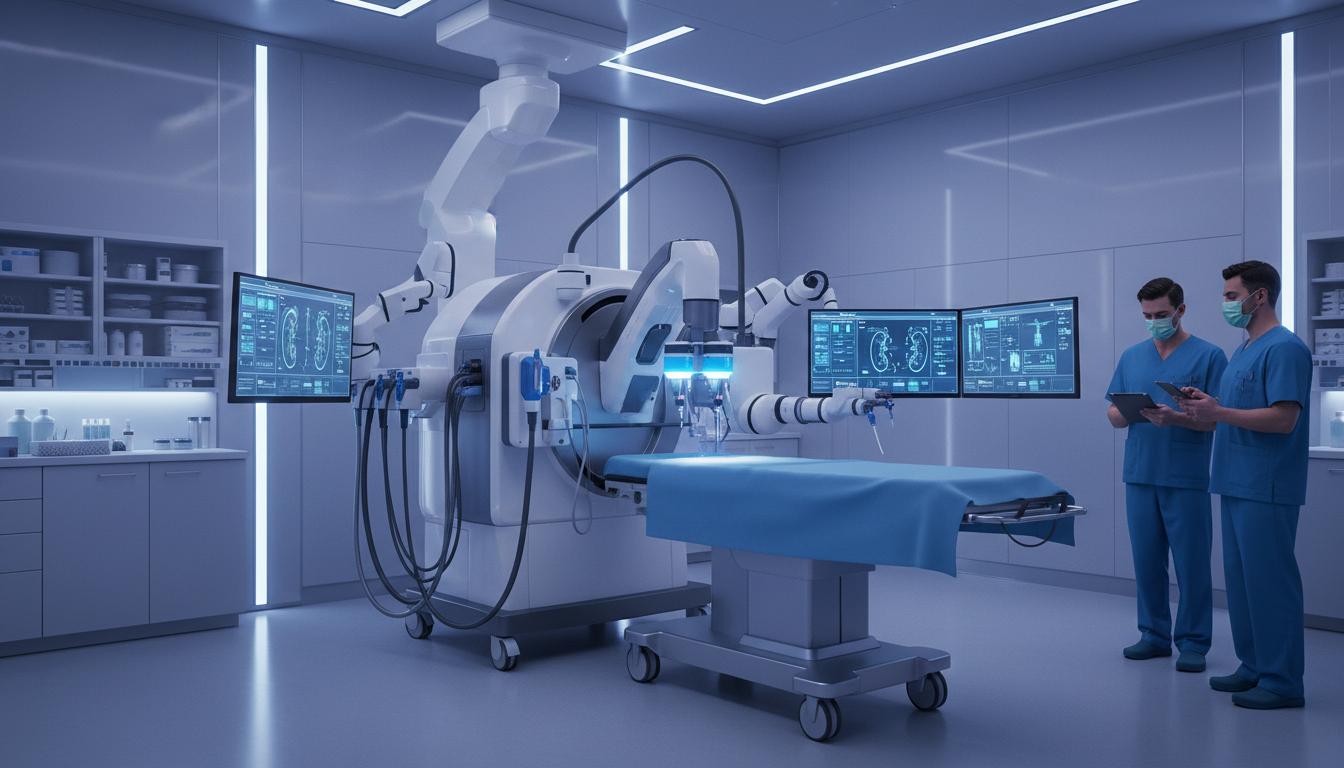 Urology
Learn how simple dietary changes and lifestyle modifications can help prevent kidney stones and maintain urinary health...
Read MoreWe're here to help. Reach out to us for any queries or to schedule a visit.