
Signs & Symptoms
Recognize the early signs that indicate you may need medical attention
Flank Pain
Dull aching or colicky flank pain from a kidney stone obstructing urinary flow.
Blood in Urine
Visible or microscopic haematuria from stone irritation of the renal pelvis.
Recurrent Stones
Patients with history of multiple kidney stones requiring definitive surgical treatment.
Recurrent Infections
Repeated urinary tract infections from a stone acting as a nidus for bacteria.
Stone on Imaging
Incidentally found kidney stones on ultrasound or CT that are growing or symptomatic.
Hydronephrosis
Mild kidney dilatation from a partially obstructing stone requiring treatment.
Common Causes & Risk Factors
Stone-Prone Anatomy
Lower pole stones and calyceal diverticulum stones are particularly amenable to RIRS.
Failed ESWL
Stones not fragmented by extracorporeal shockwave lithotripsy requiring active endoscopic treatment.
Anticoagulation Therapy
Patients on blood thinners cannot undergo PCNL safely — RIRS offers a safer no-puncture alternative.
Single Kidney
Avoiding renal puncture (PCNL) is preferable in patients with a solitary functional kidney.
Patient Preference
Patients who prefer a completely incision-free approach for appropriately sized kidney stones.
Treatment Options
Advanced minimally invasive techniques for better outcomes and faster recovery
CT & Renal Function
CT KUB to map stone burden; serum creatinine to assess renal function before surgery.
RIRS with Flex Scope
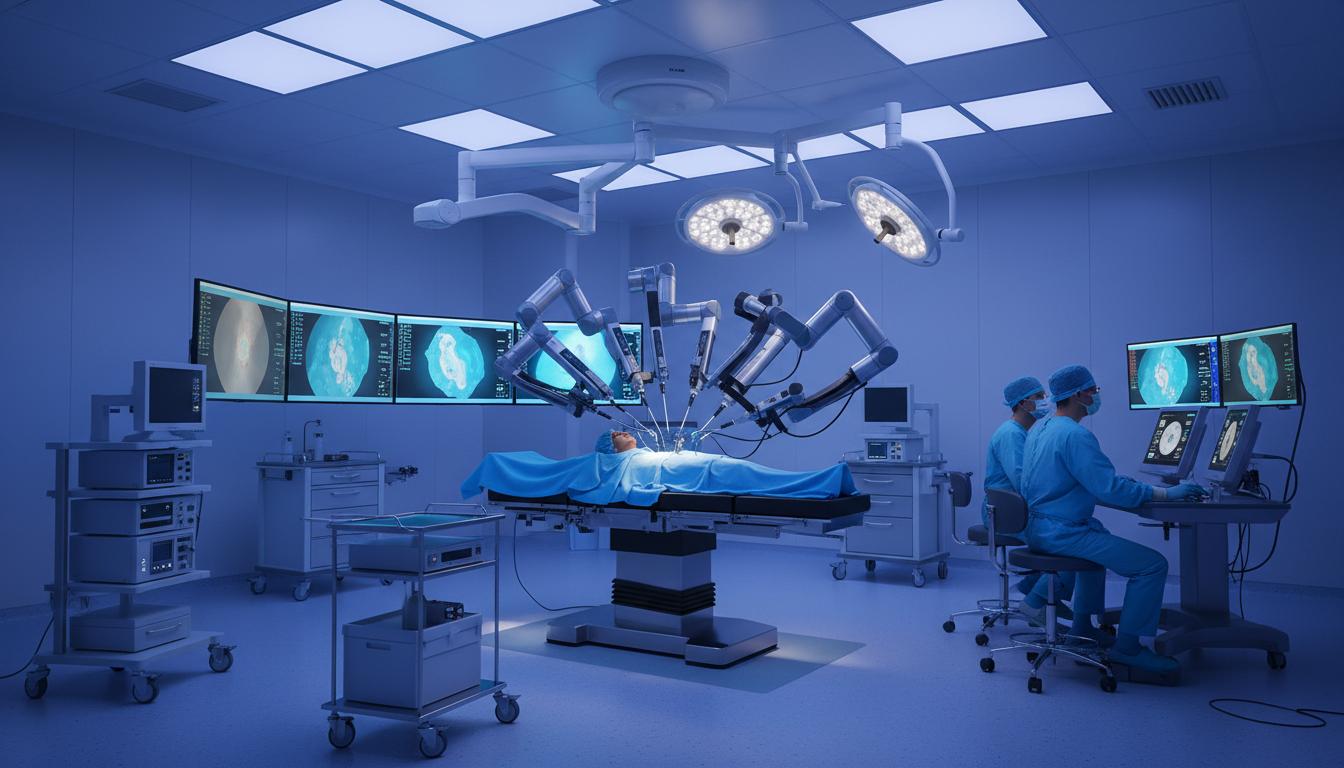
Flexible scope navigates deep into kidney calyces; Holmium laser dusts the stone completely.
DJ Stent Placement
Temporary DJ stent after RIRS to maintain ureteric drainage — removed in 2–4 weeks.
Recurrence Prevention
Stone analysis and dietary counselling to minimise risk of stone recurrence.
Benefits at Chahal Hospital
No Puncture, No Scar
Completely natural passage approach — no puncture wound, no stitches, no scar.
Zero Blood Loss
No renal puncture means zero risk of haemorrhage from the kidney.
Day Surgery
RIRS is typically performed as a day-care procedure under spinal anaesthesia.
High-Risk Safe
Ideal for patients on anticoagulants, with bleeding disorders, or a single kidney.
Expert Endourologist
Dr. Ajay Chahal is experienced in advanced flexible ureteroscopy and RIRS.
Fast Recovery
Most patients are fully active within 2–3 days of the procedure.
Your Specialist

Dr. Ajay Chahal
Consultant – Urology & Uro-Surgery
MBBS, MS (General Surgery), MCh (Urology)
Book AppointmentFrequently Asked Questions
RIRS uses a flexible scope through the natural urinary passage (no puncture) and is suitable for stones 1–2 cm. PCNL uses direct kidney puncture and is preferred for large stones > 2 cm or staghorn calculi. Your urologist will advise the best approach.
For appropriately sized stones (1–2 cm), RIRS achieves 80–90% stone-free rates, comparable to PCNL. For very large stones, PCNL remains superior. Sometimes both procedures are combined for maximum stone clearance.
Patients on anticoagulants (warfarin, clopidogrel, new oral anticoagulants) are at high risk for renal haemorrhage with PCNL. RIRS avoids kidney puncture, making it a much safer alternative in these patients. Coordination with your cardiologist is still required.
Yes. We have the latest digital flexible ureteroscopes and Holmium laser equipment for RIRS procedures.
Procedure time is 45–90 minutes depending on the stone number, size, and location within the kidney.
Ready to Get Treatment?
Consult our expert specialists for RIRS – Retrograde Intrarenal Surgery. Advanced, minimally invasive care with faster recovery and lasting results.