

Signs & Symptoms
Recognize the early signs that indicate you may need medical attention
Regular Contractions
Progressively stronger, regular contractions at 5-minute intervals lasting 60 seconds.
Rupture of Membranes
Gush or trickle of amniotic fluid indicating waters have broken attend hospital promptly.
Bloody Show
Pink or blood-tinged mucus discharge (the mucus plug) indicating cervical ripening.
Pelvic Pressure
Heaviness and downward pressure in the pelvis as the babys head engages.
Cervical Dilation
Confirmed cervical dilation of 3+ cm on examination with effacement.
Foetal Head Descent
Progressive descent of the foetal presenting part through the pelvis.
Common Causes & Risk Factors
Cephalopelvic Adequacy
A well-matched foetal head size and maternal pelvis allows safe vaginal delivery.
Optimal Foetal Position
Occiput-anterior position allows the smallest head diameter to present for delivery.
Spontaneous Labour Onset
Natural labour at 37–42 weeks is associated with the best outcomes for mother and baby.
Effective Uterine Action
Regular, coordinated uterine contractions that progressively dilate the cervix.
Maternal Effort & Support
Active second stage effort supported by skilled midwifery and obstetric care.
Treatment Options
Advanced minimally invasive techniques for better outcomes and faster recovery
Active Labour Monitoring
CTG monitoring, partogram use, and cervical assessment throughout labour.
Pain Management
Epidural analgesia, entonox, and non-pharmacological methods offered.
Controlled Vaginal Delivery
Skilled perineal support, minimal episiotomy, and immediate baby resuscitation if needed.
Emergency C-Section Readiness
Immediate conversion to Caesarean if foetal distress or arrested progress occurs.
Benefits at Chahal Hospital
Natural & Safe
Vaginal birth is the safest delivery method with the fastest recovery and lowest complication rates.
Baby Benefits
Vaginal delivery exposes baby to beneficial bacteria and prepares lungs via chest compression.
Faster Recovery
Women recovering from vaginal birth can usually go home within 24–48 hours.
Breastfeeding Support
Immediate skin-to-skin contact and lactation support from our nursing team.
Expert Obstetric Team
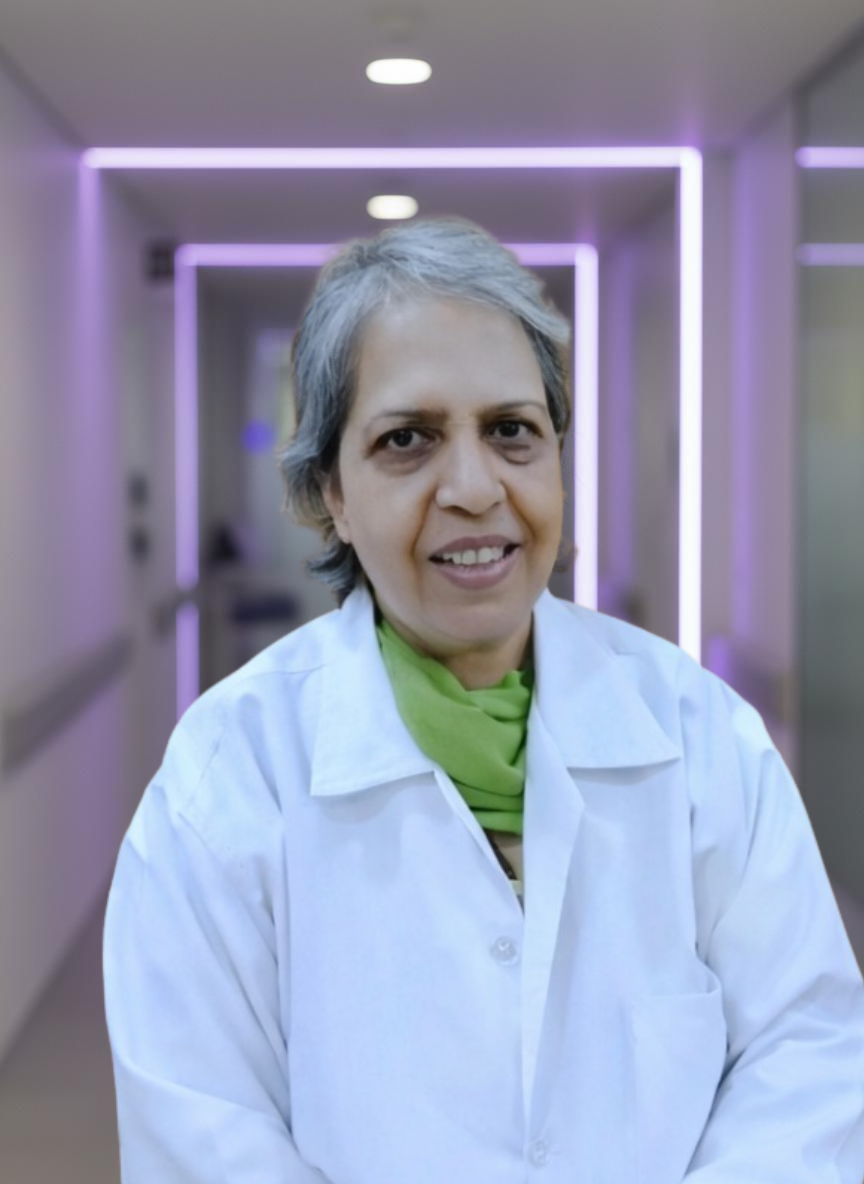
Dr. Suneet Chahal and specialist midwives provide personalised labour support.
Safety First Always
Continuous monitoring with immediate escalation to operative delivery if needed.
Your Specialist
Frequently Asked Questions
Active labour is characterised by regular contractions every 5 minutes lasting at least 60 seconds, ruptured membranes, or confirmed cervical dilation of 3–4 cm. Come to hospital when contractions are regular and 5 minutes apart.
No. Episiotomy is not routine. We use it selectively when there is foetal distress requiring rapid delivery or when severe tearing appears unavoidable. We aim for the lowest possible episiotomy rate.
Yes. Epidural anaesthesia, Entonox (laughing gas), and non-pharmacological methods (breathing techniques, position changes) are all available.
If labour fails to progress after appropriate management, we discuss options including oxytocin augmentation or a Caesarean section depending on the clinical situation.
After an uncomplicated normal delivery, most mothers and babies are discharged within 24–48 hours once postnatal checks are satisfactory.
Ready to Get Treatment?
Consult our expert specialists for Normal Delivery (Vaginal Birth). Advanced, minimally invasive care with faster recovery and lasting results.